
For most visitors, yes: Thailand is safe, and millions of tourists enjoy it without a problem. A few specific exceptions and a handful of everyday risks are worth knowing about, and that is what this guide covers: the current advice, the areas to avoid, the common scams, the local laws and the numbers to save.
Is Thailand safe for tourists in 2026?
Yes, for most travellers. The US State Department rates Thailand Level 1, its lowest tier, lowered on 7 July 2026, and the risks that actually hurt tourists are motorbike crashes, scams, drink spiking in party districts and strict local laws, according to Visit Thailand Today.
| Risk | How likely | What to do |
| Violent crime against tourists | Uncommon | Use normal city awareness |
| Road and motorbike accidents | The biggest everyday risk | Wear a helmet and use licensed transport |
| Scams and overcharging | Common in tourist areas | Learn the usual tricks (below) |
| Petty theft | Occasional in crowds | Keep bags zipped and in front |
| Drink spiking | Reported in party districts | Never leave a drink unattended |
| Rough seas and rip currents | Seasonal on west coasts | Obey the beach flags |
| Floods and heavy rain | Seasonal | Check forecasts and your insurance |
Only two areas carry real warnings, the Cambodian border strip and the deep south, and neither is near a tourist destination.
Which areas should tourists avoid?
Governments advise against travel near the Thailand-Cambodia land border because of armed clashes and landmines. Australia’s Smartraveller says not to travel within 10 km of the border in Sa Kaeo, Buriram, Si Saket, Surin, Ubon Ratchathani, Chanthaburi and mainland Trat, while other governments apply wider zones of up to 50 km.
The deep south provinces of Yala, Pattani and Narathiwat also carry warnings. Distances differ by government, so check your own country’s advice. Bangkok, Chiang Mai, Phuket, Krabi and Koh Samui are not affected, and land crossings into Cambodia have been reported closed, so fly if you plan to go there.
What are the most common tourist scams?
| Scam | How it works | How to avoid it |
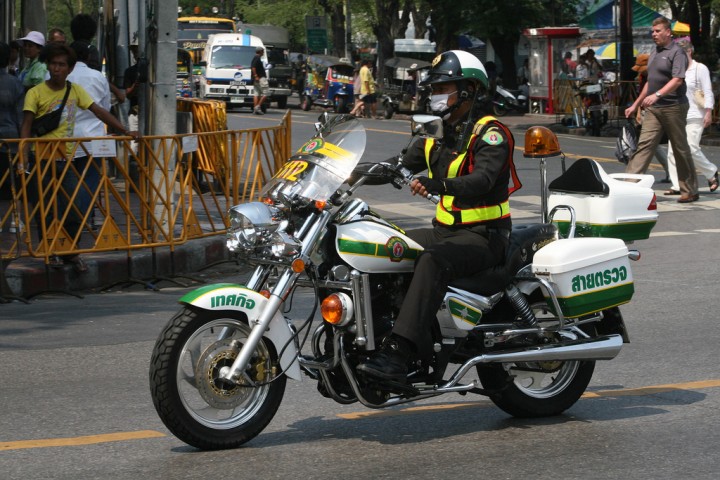
| Fake police | Someone posing as police checks your passport or demands a fine on the spot | Real police rarely stop tourists at random and never demand street cash. Ask for ID and call 1155 |
| Gem or “closed attraction” tricks | A friendly stranger says an attraction is closed and steers you to a gem shop, commonly reported | Check opening hours yourself and ignore unsolicited tips |
| Taxi and tuk-tuk overcharging | No meter, or an inflated flat fare | Insist on the meter or use Grab, and agree prices first |
| Jet-ski damage claims | The operator claims old damage and demands payment, commonly reported | Photograph the jet ski before you ride and use reputable operators |
| Fake travel agencies | Overpriced or fake tours | Book through your hotel or established operators |
The fake-police advice comes from Thai Holiday Guide, and the other patterns are widely reported by tourist police.
How safe are the roads and transport?
Road accidents are the biggest everyday risk, especially on motorbikes, according to Thai Holiday Guide. Wear a helmet, do not ride unless you are confident and licensed, and check whether your travel insurance covers motorbike riding, since many policies exclude it.
For getting around, use metered taxis, Grab or official airport queues. For road accidents outside cities, the Highway Police number is 1193.
Is it safe at night and in party areas?
Mostly yes, with the usual sense. Drink spiking is reported in party districts, so watch your drink being made, never leave it unattended and avoid accepting drinks from strangers. Keep to licensed venues, agree prices before you order, keep your phone charged and share your location with a friend. If something goes wrong, call the Tourist Police on 1155.
Is Thailand safe for solo and female travellers?
Many solo and female travellers visit comfortably, using the same precautions as anywhere: share your plans, choose well-reviewed accommodation and trust your instincts.
If you need to report a serious crime, contact the Tourist Police on 1155 and your embassy, and always get a police report, since reports can take longer to progress than visitors expect.
What laws should tourists know?
- Vaping: e-cigarettes are illegal to import, and you risk fines or confiscation, according to Khaosan Road.
- The monarchy: offences against the Thai monarchy are punished severely, including on social media.
- Drugs: penalties for drug offences are severe and can include the death penalty.
- Your passport: carry a copy of your passport at all times.
What about health, heat and weather?
Sunburn and heat are the most common problems, so use sunscreen and drink plenty of water. Seasonal floods are the other issue: Bangkok flooded from 24 to 27 September 2026, with all 50 districts declared disaster zones, though the airports stayed open, as reported by Visit Thailand Today.
Make sure your insurance covers bad weather. Rough seas and rip currents are the main beach danger, covered in our best time to visit Phuket guide, and our best time to visit Thailand guide explains the seasons.
Which emergency numbers should I save?
| Number | Who | Use it for |
| 1155 | Tourist Police | English-speaking help, the best first call |
| 191 | Police | General police emergencies |
| 1669 | Medical emergencies | Ambulance |
| 199 | Fire | Fires |
| 1193 | Highway Police | Road accidents outside cities |
Tourists without a Thai SIM can reach the Tourist Police through the Thailand Tourist Police App. Our Thailand eSIM guide explains how to get online. Save your hotel’s contact details too.
How can I make my arrival safer and smoother?
File your free Thailand Digital Arrival Card on the official site, in the three days before you land, and keep a screenshot of the QR code. Use official taxi queues or a ride-hailing app from the airport.
Fast Track Thailand guides you through a priority immigration lane at Suvarnabhumi, Don Mueang or Phuket Airport, so you spend less time in queues after a long flight. Thailand’s auto gates are for returning visitors who meet a few conditions, and our guide to fast track versus regular immigration explains the difference.
What should I do before I go?
- Insurance: make sure it covers medical care, bad weather and, if you will ride one, a motorbike.
- Documents: keep paper and phone copies of your passport.
- Connectivity: set up your eSIM before you fly, using our eSIM guide.
- Advice: read your own government’s current travel advice.
Frequently Asked Questions
Is Bangkok safe at night?
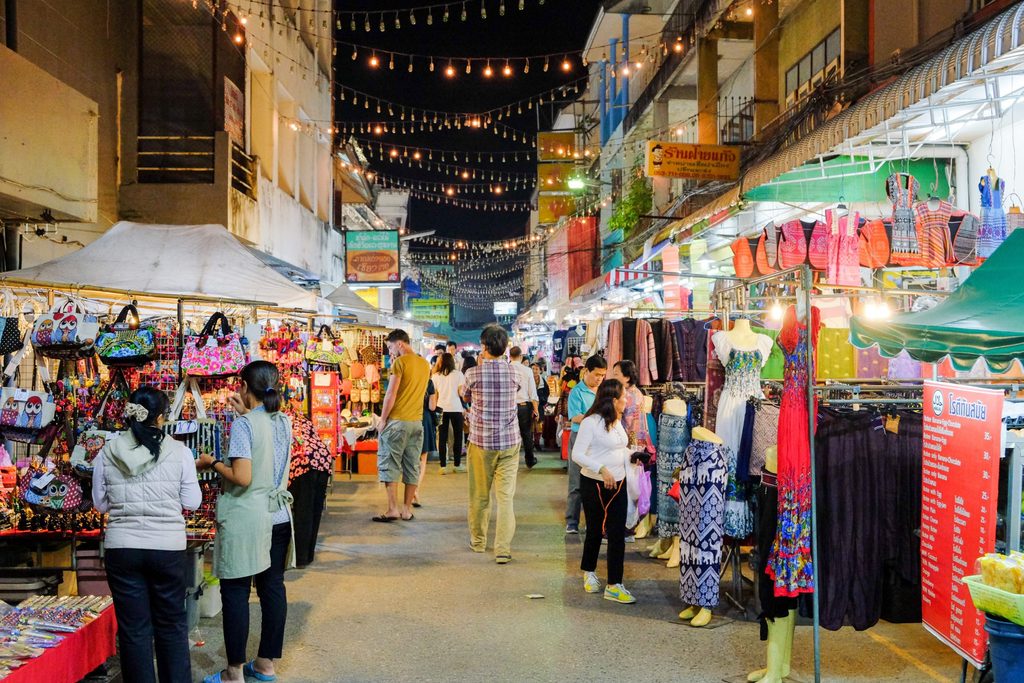
Central areas with tourist police are generally fine for walking. Pickpocketing is the usual concern in crowded places such as Chatuchak Market and Khao San Road, so keep bags zipped and in front.
Is Phuket safe?
Yes for most visitors. The main danger is the sea, with rip currents and red flags from May to October, so read our best time to visit Phuket guide before you swim.
What should I do if I am scammed?
Stay calm, note the details and report it to the Tourist Police on 1155, always asking for a police report. Contact your bank if a card was involved, and your embassy if you need further help.
Thailand rewards a little preparation. When you are ready to start your trip smoothly, book Fast Track Thailand.