

Planning a trip to Thailand can begin with a simple question. That is: When is the best time to go?
While conventional wisdom quickly points to the breezy, sun-drenched months between November and February, the reality of this beautifully elongated country is a bit more complex.
This guide breaks it down by trip type, season, region and month. With this, you can find your dates in one place.
What is the best time to visit Thailand for each type of trip?
| Your trip | Best months | Think twice about |
| First trip: Bangkok, the north and beaches | November to February | September, the wettest month |
| Bangkok and city sightseeing | November to February | April (hottest) and September (wettest) |
| Chiang Mai and the north | November to January | Mid-February to April, the smoke season |
| Phuket, Krabi and the Andaman coast | December to March | June to October, the wet season |
| Koh Samui, Koh Phangan and Koh Tao | February to September | October to December |
| Diving and snorkelling | December to April | The wettest months on each coast |
| Lowest prices and fewest crowds | May to September | December and January, the peak |
Thailand’s three seasons
What is the cool and dry season like (November to February)?
This is peak season for good reason. Bangkok’s daily highs sit around 32 to 34°C with almost no rain. Chiang Mai’s nights drop to around 16 to 20°C. The cost is crowds and prices: December is the busiest month of the year, and Christmas to New Year on the islands needs booking months ahead.
What is the hot season like (March to May)?
April is the peak, with average highs near 36°C in Bangkok and Chiang Mai, and humidity makes it feel hotter. Beaches are good to go in March. The drawback is the north, where smoke from crop fires hangs over the air from mid-February into April.
What is the rainy season like (May to October)?
Rain usually arrives as a heavy afternoon or evening storm, with clear mornings. Prices and crowds fall and the countryside turns green. The downsides are rough water on the Andaman coast and September, the wettest month in Bangkok and Phuket.
What is the best time to visit each region?
When is the best time to visit Bangkok?
Bangkok works all year. ut November to February is when walking between temples is most pleasant. In the rainy months a storm most afternoons is normal and rarely stops anything, and hotel rates drop. Plan around April, the hottest month, and September, the wettest, with about 336 mm of rain.
When is the best time to visit Chiang Mai and the north?
Chiang Mai has the most to gain from good timing. November to January is cool and clear, ideal for trekking and the hill towns, and it includes the Yi Peng lantern festival.
You can skip mid-February to April, when smoke can push air quality to unhealthy levels, and note that August is the north’s wettest month. Nevertheless, October is when the north clears first, makes it a good month to start a trip there.
When is the best time to visit Phuket, Krabi and the Andaman coast?
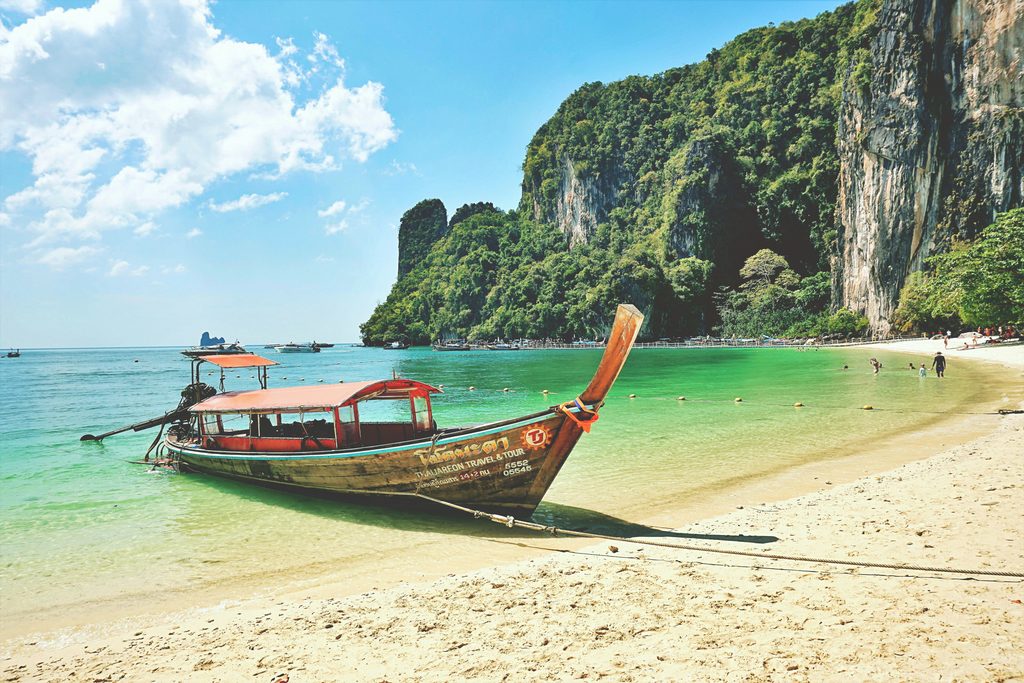
Phuket and its neighbours are best from December to March, good in November and April, and at their worst from June to October. September and October are Phuket’s two wettest months, so October is not a shoulder month on this coast. February is the driest month of the year.
When is the best time to visit Koh Samui and the Gulf islands?
Koh Samui, Koh Phangan and Koh Tao run on the opposite calendar. Their driest stretch is from February to April. June to September brings short showers rather than days of rain. This makes the Gulf the beach answer for a summer trip. Their wet season is October to December, with November the wettest month at about 445 mm.
What is the best month to visit Thailand, month by month?
| Month | Best for | What to know |
| January | Almost everything, if you book early | Dry and sunny on both coasts, with Chiang Mai nights around 16°C. |
| February | Beaches on both coasts | The driest month on both coasts. Smoke starts building in the north later in the month. |
| March | Beaches and island-hopping | The last fully dry month on the Andaman coast, with heat building and crowds easing. The north is in smoke season. |
| April | Songkran and the Gulf islands | The hottest month. Koh Samui is dry and calm, the Andaman coast sees first storms late in the month. |
| May | Low prices | Rains begin first on the Andaman coast and in Bangkok. Showers clear the northern smoke. |
| June | Gulf islands at low-season prices | The Andaman coast is rough and rainy. The north is green and quiet. |
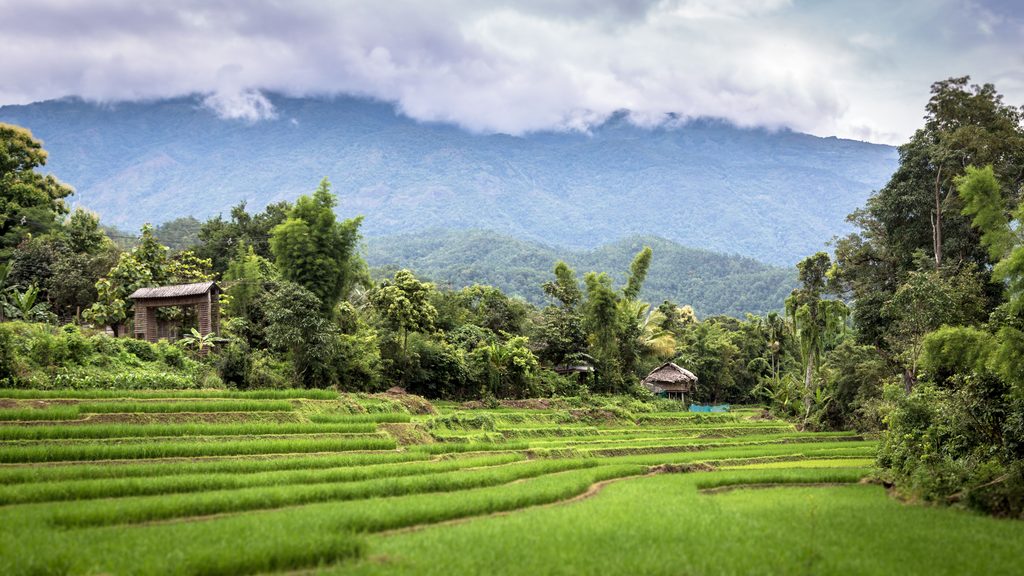
| July | Koh Samui and green-season trekking | The Gulf has its best summer weeks and northern rice terraces are at their greenest. Koh Chang has its wettest month. |
| August | Gulf islands and waterfalls | Deep monsoon on the Andaman coast, with cancelled boats. The north has its wettest month, and waterfalls run at full flow. |
| September | The lowest prices of the year | The wettest month in Bangkok and Phuket, and the quietest for arrivals. If it is your only window, base yourself on the Gulf islands. |
| October | An early start in the north | A transition month. The north dries first and Bangkok’s rains ease late, while the Andaman coast is still wet and the Gulf’s rains begin. |
| November | The north, Bangkok and festivals | Many travellers’ favourite month: the north is dry, Bangkok is comfortable and prices are below December’s peak. |
| December | The peak-season | Postcard weather on the Andaman coast and in the north, and the busiest, priciest month. Koh Samui clears by the end. |
When are the cheapest and worst times to go?
When is Thailand cheapest?
May, June and September are the quietest months, flights to Bangkok are cheapest from May to September, and hotels in the shoulder and low months often run 30 to 50% below their December and January rates.
Food, transport and activities cost about the same all year. Pair a cheap month with the right coast: June to August suits the Gulf islands, and late October to early November suits the north and Bangkok.
When is the worst time to go?
September is typically the wettest month in Bangkok, Phuket and northeastern Thailand. As a result, boat services in the Andaman Sea are also cancelled more frequently during this period.
Conversely, northern Thailand is less enjoyable from mid-February to April because of the hot, dry weather. Similarly, you might want to rethink visiting the Gulf islands between October and December, given that this season brings heavier rain. Most importantly, travellers looking to stay dry should double-check their dates in April to avoid Songkran week, as nationwide water fights are the main highlight of the Thai New Year.
Which festivals are worth planning around?
| Festival | When | Plan ahead |
| Songkran | 13 to 15 April | Thailand’s New Year water festival. Book flights and hotels two to three months ahead. |
| Phuket Vegetarian Festival | 10 to 18 October in 2026 | Nine days of processions in Phuket Town. See our festival guide. |
| Loy Krathong | Full moon, 24 November in 2026 | Krathongs float on rivers nationwide. See our Loy Krathong guide. |
| Yi Peng | 23 to 25 November in 2026 | Lanterns in Chiang Mai. Ticketed releases sell out early. See our Yi Peng guide. |

What should I check before I go?
- Book early for peak dates: flights and hotels two to three months ahead for December and January, and months ahead for island Christmas and New Year.
- File your Thailand Digital Arrival Card: make sure do it in the three days before you land.
- Check your stay: since 15 September 2026, tourists from the UK, Australia, Canada, the US and many other countries can stay up to 30 days without a visa.
- Expect queues in peak months: immigration lines are usually longest from December to February.
Fast Track Thailand can take the waiting out of arrival, guiding you through a priority immigration lane at Suvarnabhumi, Don Mueang or Phuket Airport. Our guide to fast track versus regular immigration explains the difference, and Thailand’s auto gates at Suvarnabhumi are for returning visitors who meet a few conditions.
In the rainy season, see our update on how Suvarnabhumi recovered after the late-September floods, and when you fly home, our airport lounge page is worth a look as an optional extra.
Frequently Asked Questions
What is the hottest month in Thailand?
April. Average highs reach about 35.7°C in Bangkok and 36.7°C in Chiang Mai. Songkran falls then, because humidity makes it feel even hotter.
What is the rainiest month?
It depends where you are: September for Bangkok (336 mm) and Phuket (350 mm), August for Chiang Mai, July on Koh Chang and November on Koh Samui (445 mm). There is no single rainiest month for the whole country.
Wherever and whenever you go, a smooth arrival sets the tone for the trip.
Ready to go now? Book Fast Track Thailand.