
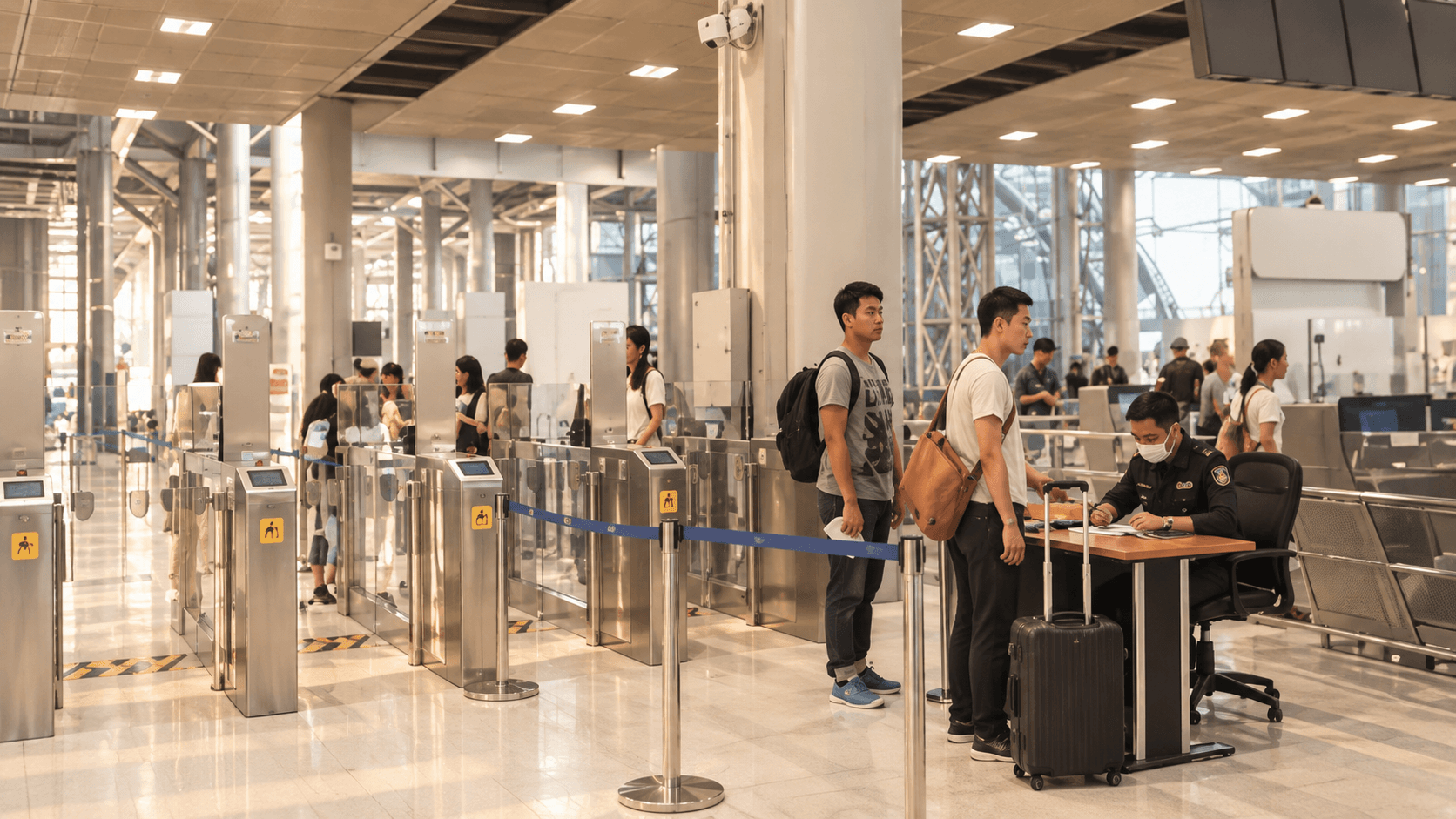
Thailand has opened its auto gates at Suvarnabhumi to travellers from 33 nationalities, so eligible visitors can scan their passport and walk through immigration without joining the staffed queue.
Holding the right passport is not enough, though: you need to meet four conditions, and first-time visitors still go to a counter. This guide explains who qualifies, how the gates work and what to do if you do not.
| When | Open since about 20 September 2026, rolled out in phases |
| Where | Arrival immigration at Suvarnabhumi |
| Who | Passport holders from 33 countries and territories who meet four conditions |
| Cost | Free |
| Not on the list | US, China, Taiwan and India passports, for now |
What are Thailand’s auto gates?
They are an Automated Border Control system at Suvarnabhumi. The gate reads the chip in your passport, scans your face and checks both against the record on file. Until September, only Singapore and Hong Kong passport holders could use them on arrival.
The Immigration Bureau approved the expansion in principle on 17 August 2026, according to Khaosod English, and the lanes were open by about 20 September. For repeat visitors, the gates can mean a faster route through arrivals, particularly at busy times.
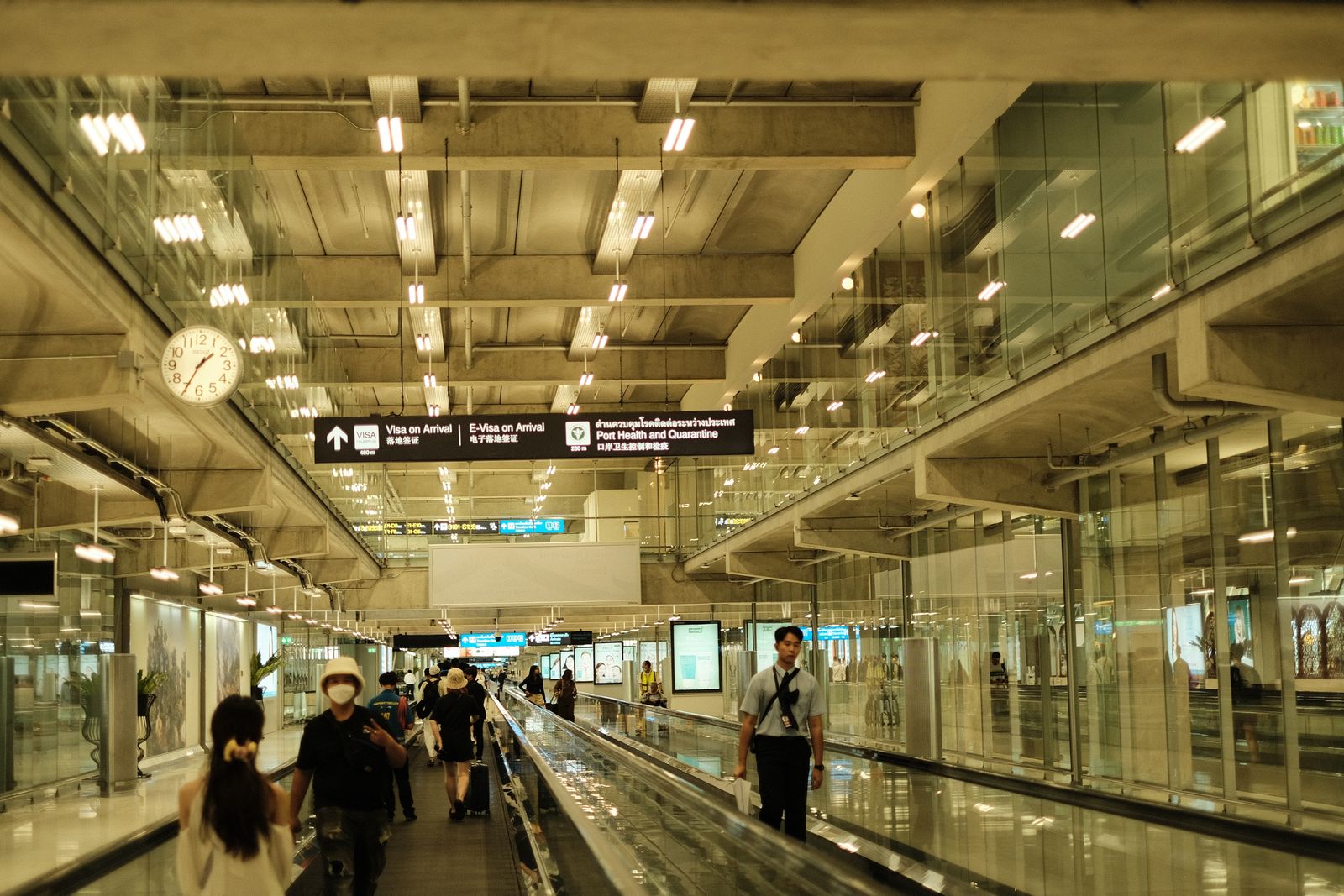
Which passports can use Thailand’s auto gates?
These 33 countries and territories are on the current list, as reported by Time Out Bangkok:
| Europe | Austria, Belgium, Czech Republic, Denmark, Finland, France, Germany, Greece, Hungary, Ireland, Italy, Latvia, Luxembourg, Malta, Netherlands, Norway, Poland, Portugal, Slovakia, Slovenia, Spain, Sweden, Switzerland, United Kingdom |
| Asia-Pacific | Australia, Hong Kong, Japan, Malaysia, New Zealand, Singapore, South Korea |
| North America | Canada |
| Middle East | United Arab Emirates |
Passports from the United States, China, Taiwan and India are not included for now, so those travellers use the regular queue. Because the rollout is phased, an eligible passport does not guarantee that every gate is open on every flight.
What are the four conditions to use the auto gates?
- Hold a passport from one of the 33 listed countries or territories.
- Have entered Thailand before on the same passport, so your fingerprints and face are already on file.
- Be entering under the visa exemption, because visa holders still use the staffed counters.
- Have filed your Thailand Digital Arrival Card before you arrive.
Meeting only some of these means you use a counter.
What is the first-visit rule?
First-time visitors must use a staffed counter, even if they hold a passport from one of the 33 countries. Officers collect your fingerprints and facial image there on your first entry, and from your next visit you can use the gates.
If you have a new passport, expect to register again at a counter, because the gate matches the passport you used before.
Do I need a TDAC to use the auto gates?
Yes. The TDAC is compulsory for every foreign visitor anyway, and for the gates it must be filed before you land. The gate matches your passport chip against your arrival record, so the details on the card must match the passport exactly.
File it free on the official site, tdac.immigration.go.th, within the three days before you arrive. Our step-by-step TDAC guide walks through each field.
How do I use an auto gate, step by step?
- After landing, follow the signs to immigration and look for the auto gate lanes.
- Place your passport photo page on the reader so the chip can be read.
- Look at the camera for the face scan.
- Walk through when the gate opens.
- If the gate rejects you, an officer will direct you to a staffed counter.
Layouts and signage can change, so follow the airport signs on the day.
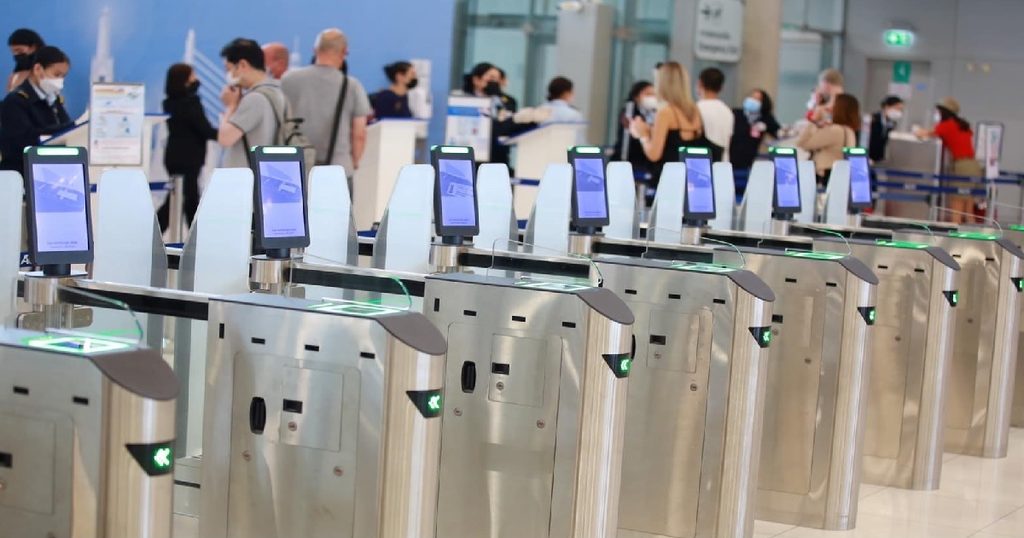
What if I cannot use the auto gates?
You use a staffed counter as usual, which includes first-time visitors, visa holders and passports outside the list of 33. The busiest window is reportedly between 1pm and 5pm, when up to 5,000 to 6,000 passengers an hour can reach the immigration hall at Suvarnabhumi.
If that is when you land, Fast Track Thailand guides you through a priority immigration lane at Suvarnabhumi, Don Mueang or Phuket Airport, so you spend less time in the main queue.
Our guide to fast track versus regular immigration explains the difference.
Are there auto gates at Don Mueang or Phuket Airport?
Reports so far confirm the 33-nationality expansion only for Suvarnabhumi arrivals. At Don Mueang and Phuket Airport, it is safest to plan on a staffed counter and check the signage when you land.
Does using an auto gate change how long I can stay?
No. The gate only changes how you are processed, not how long you can stay, which depends on your nationality and visa status. Since 15 September 2026, tourists from the UK, Australia, Canada, the US and other countries covered by the visa exemption receive up to 30 days, down from 60, according to the Tourism Authority of Thailand.
Our guide to Thailand’s entry requirements covers the rest.
Frequently Asked Questions
What if the gate will not read my passport?
An officer will direct you to a staffed counter and process you as usual, so allow a little extra time on arrival.
Does my passport need a chip?
Yes. The gate reads the chip in your passport, so you need an e-passport. Most modern passports from the listed countries have one, which you can recognise by the small camera-like symbol on the cover.
Is the list of 33 countries final?
Not necessarily. The rollout is phased, and the airport signage shows the current list, so check it, or the Immigration Bureau, before you fly.
Whether you glide through a gate or join the counter queue, a calm arrival sets the tone for your trip.
When you are ready, book Fast Track Thailand for your arrival.